COA Instruments
PerfO Administration: Record the Conditions Behind the Score
A practical PerfO administration record for trial teams, with six-minute walk evidence showing why task conditions matter and how to document deviations.
· · 13 min read

The journal of clinical outcome assessment operations
COA Instruments
A practical PerfO administration record for trial teams, with six-minute walk evidence showing why task conditions matter and how to document deviations.
· · 13 min readLatest
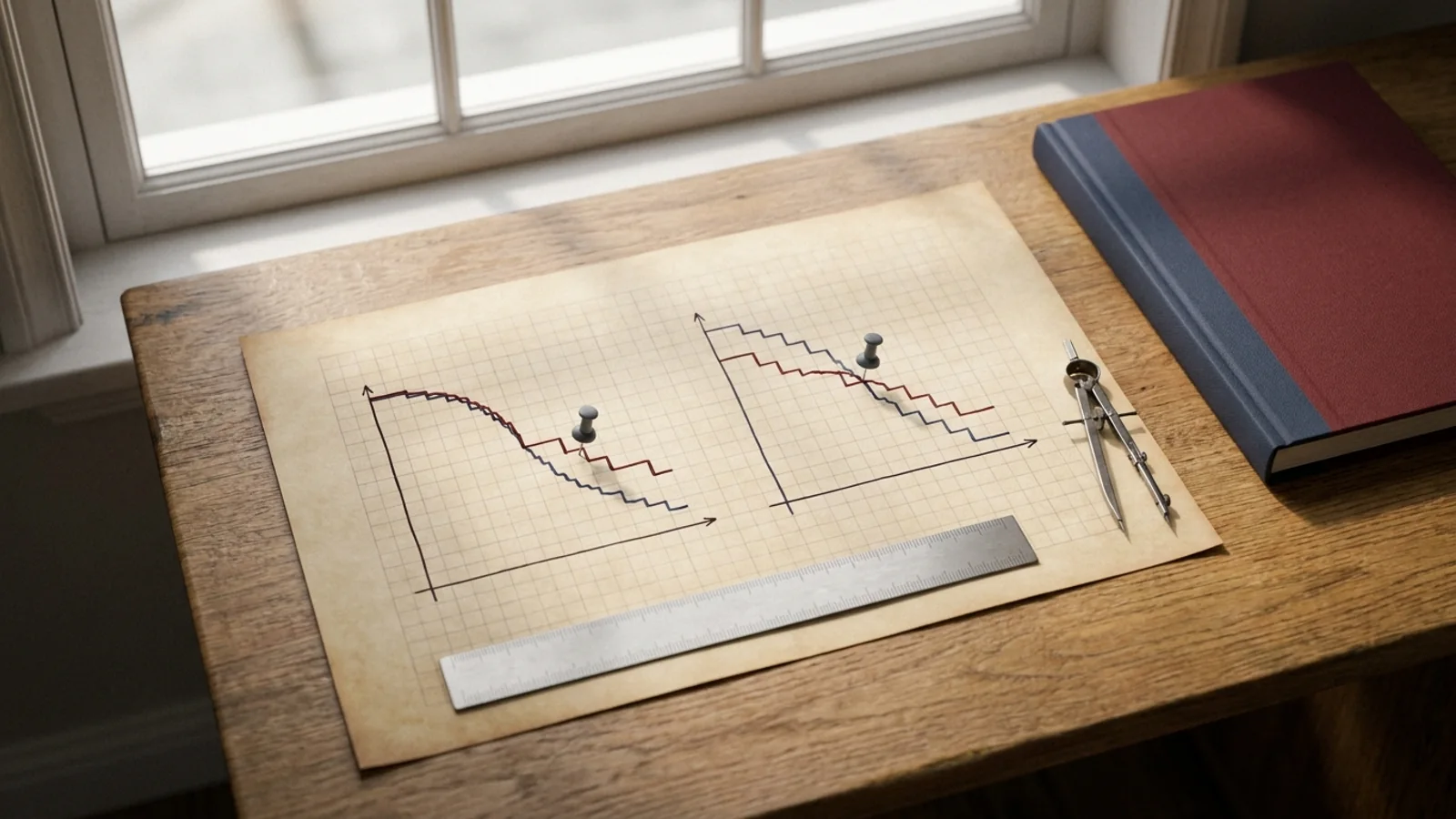
Evidence before assertionHow clinical trial teams diagnose non-proportional hazards, interpret an averaged Cox hazard ratio, and pre-specify companion summaries before unblinding.
How clinical trial teams apply RECIST 1.1 five-total, two-per-organ, paired-organ, and lymph-node rules to lock a baseline lesion record before follow-up.

How to choose and justify an RMST horizon, what the SAP should lock before unblinding, and what FDA's 2025 draft and EMA guidance do and do not say.

How FDA's May 2026 CGM technical specifications link SDTM LB epochs, ADCGM phantom rows and ADCGMEN completeness variables, and what the SAP must lock first.

When competing events occur, choosing between cumulative incidence and cause-specific hazard depends on the probability question and ICH E9(R1) estimand strategy.

How clinical trial teams structure imaging charters to handle reader disagreement, unreadable series, and missing scans before database lock.

How clinical trial teams choose wearable non-wear rules, define valid days, and distinguish missing observations from intercurrent events.
Which endpoint data must be reconciled and evidenced before a clinical database lock, who signs each row, and how unlock and unblinding stay controlled.

Decide which PRO questionnaires a clinical trial needs by mapping objectives, checking combined burden, and justifying timing in a hypothetical worked example.

How to write ClinicalTrials.gov outcome measures from the protocol endpoint, which 42 CFR 11.64 update clock applies after an amendment, and what results QC checks.